When your critical drive line displays a thermal trip warning, the natural instinct is to hit reset immediately to restart production. But doing so without inspecting the panel parameters is the single fastest way to destroy high-value VFD semiconductors. Learn how to diagnose VFD thermal limits safety faults correctly.
CRITICAL EMERGENCY ACTION
Do NOT restart the VFD until internal panel temperature is verified below 40°C
If the panel enclosure feels hot to the touch: your cooling system has degraded or failed completely. Forcing a digital reset under high thermal stress risks thermal runaway and permanent hardware destruction.
What Your VFD Fault Code Actually Means
When a drive controller flashes OH1, OHT, TH, or Overheat — that code itself is not the problem. It is the drive's built-in self-protection algorithm preventing immediate burn-out. The real underlying issue is a total thermal management failure within the enclosure.
Unless this core thermodynamics issue is resolved, the fault will recur systematically. Simply clearing the register changes nothing.

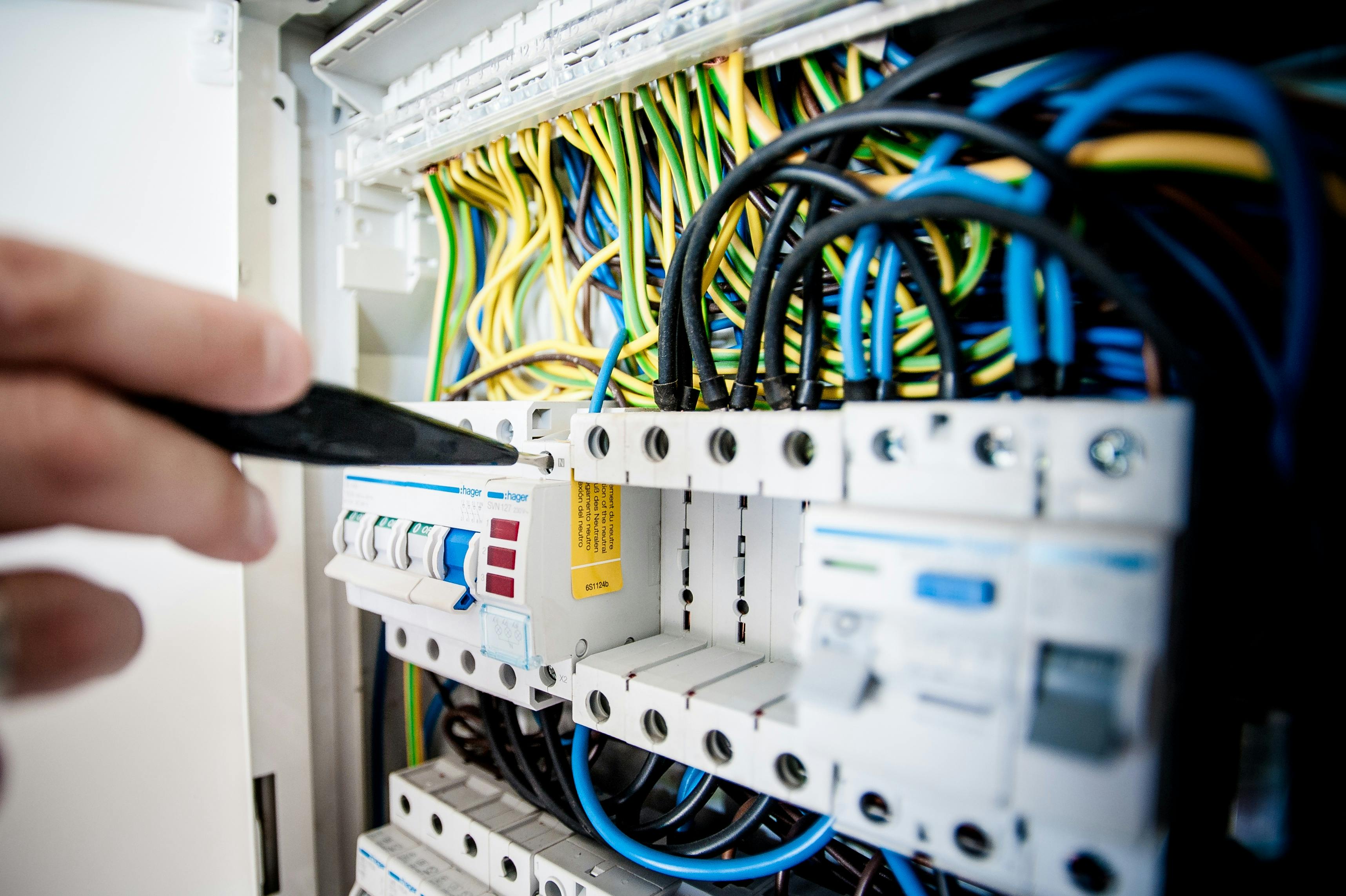
Figure 1: Modern drive controllers monitor safety limits internally, triggering sudden over-temperature faults to preserve expensive silicon semiconductors.
"A VFD thermal fault is a protective self-preservation mechanism, not a device defect. Resetting a hot drive without fixing panel cooling is the quickest way to destroy thousands in industrial assets."
Why Is My VFD Tripping Due to High Temperature?
Forensic testing shows four primary reasons for sudden VFD over-temperature trips on active factory lines:
1. Clogged Panel AC Filter (Single Most Common)
In high-dust Indian factory environments, airborne particulates and fibers clog panel air conditioner filters in 2–6 weeks. With the filter blocked, volumetric airflow drops by 40–70% and the cooling compressor continues consuming power but yields almost zero cooling output.
2. Panel AC Component Failure
If the filters are completely clean but internal temperatures remain high, the cooling unit itself has likely suffered hardware failure. The most common issues are compressor mechanical failure, fan motor burnout, refrigerant gas leaks, or a controller PCB failure.
3. Undersized Panel Cooling Capacity
A cooling unit that manages during moderate seasons may fail during extreme heat waves. Sizing calculations based purely on enclosure volume omit heavy heat loads generated by reactors, transformers, and continuous drive duty cycles.
4. High Ambient Conditions Exceeding AC Limits
Indian summer routinely pushes factory floor temperatures to 48–52°C. Many standard panel AC units are rated to operate up to only 45°C ambient. Once ambient limits are crossed, heat rejection efficiency falls drastically. Haima's auto-clean closed-loop panel AC units are rated to operate reliably up to 55°C ambient.
Best Cooling Solution for VFD Panels
A comparative thermodynamic analysis of typical enclosure thermal management techniques:
Immediate Action Steps (If VFD Has Tripped)
If your line has tripped on a high temperature alarm, follow PIMA's standardized emergency recovery protocol:
- Do NOT force an immediate start: Keep the drive powered off until internal panel temperatures drop below 40°C.
- Inspect the filter: Pull and check the panel AC's air filters. Clean out dust or grease buildup if blocked.
- Verify heat rejection: Touch the hot air discharge from the AC exterior. If cold or same as ambient, call a service tech immediately.
- Check fault codes: Access VFD history logs to confirm exact OH1/OHT/TH thermal indicators and timestamp events.
- Fix the core cause: Do not rely on repeated manual resets. Address the cooling system limitation before starting the next shift.
Conclusion
VFD thermal trips are a clear symptom of enclosure cooling degradation — whether due to a clogged filter, hardware failure, or undersized capacity. Resolve the underlying thermal management limitations, and your VFD trips will stop permanently.