Every April, as temperatures across India climb past 40°C, plant maintenance teams brace for the same crisis — VFD trips, PLC lockouts, and unexpected production stops. These costly thermal failure occurrences are not random. They are predictable, preventable, and follow a clear, identifiable forensic engineering pattern.
Why Do Electrical Panels Overheat?
There are three primary and compounding root causes that turn a routine summer season into a production downtime disaster in Indian plants:
1. Ambient Temperature Exceeds Design Limits
Standard industrial components — VFDs, PLCs, and power contactors — are optimized for 0–40°C operational thresholds. Indian factories and panel rooms routinely hit 45–50°C ambient zones during peak summer, pushing every control component far beyond its safe thermodynamic limits.
2. Internal Heat Generation Compounds the Problem
Electronic circuits are never 100% efficient. A standard VFD loses roughly 2.5% of its rated power as purely heat dissipation. A single 55kW drive produces up to 1,650W of continuous heat. Pack multiple drives, reactors, and control gear into a sealed enclosure, and total internal heat generation can quickly exceed 4,000W of constant thermal build-up.
3. Cooling System Degradation (The Silent Killer)
In textile mills, cement plants, and chemical foundries, airborne dust, oils, and fibers clog panel air conditioner filters in as little as 2–6 weeks. Airflow volumes drop by 40–70%. Cooling performance collapses silently without triggering any diagnostic alarms — until panel temperatures cross the thermal limit.
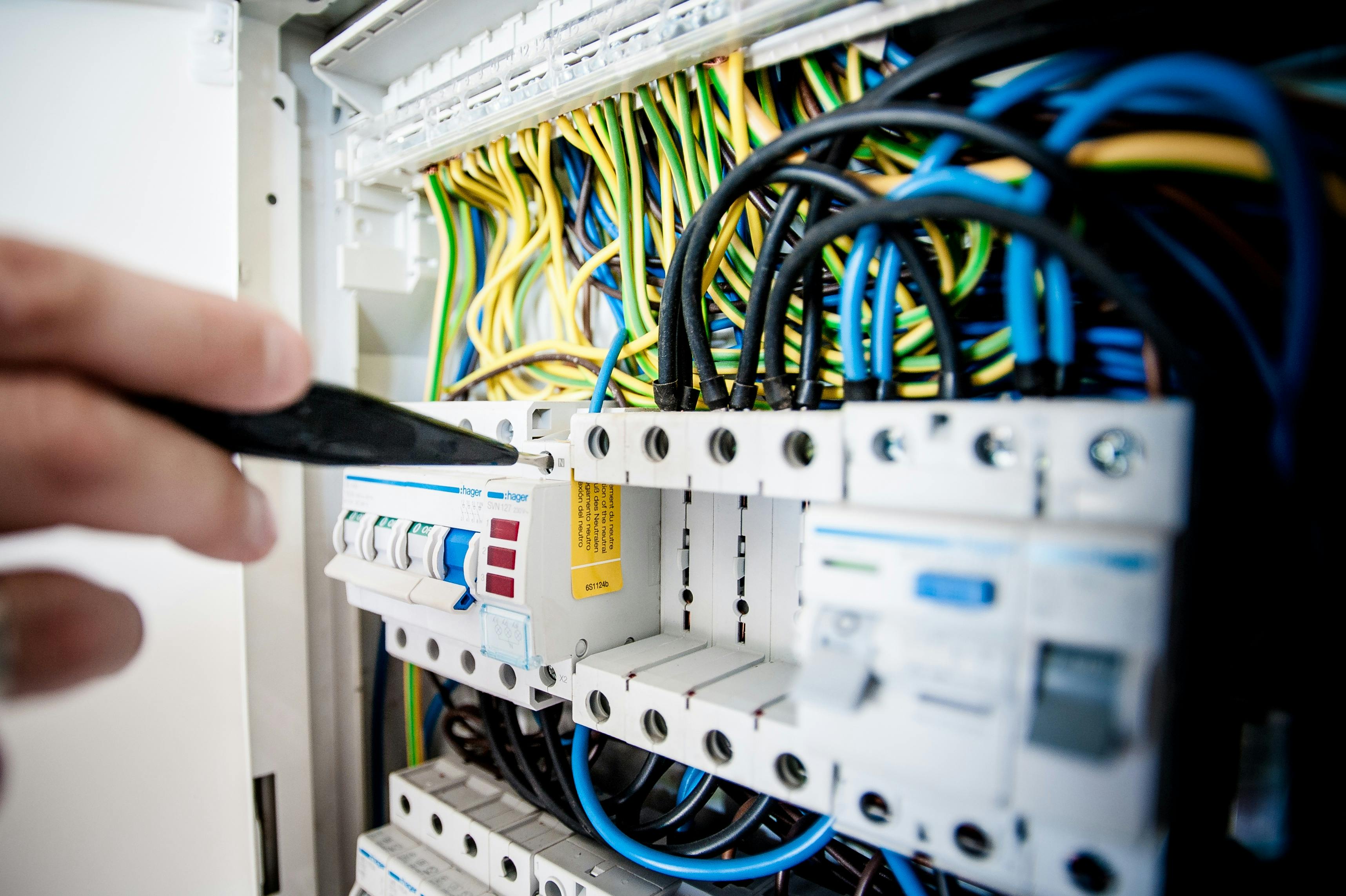
Figure 1: Extreme ambient heat waves in typical Indian manufacturing plants quickly trigger high-temperature alarms in standard ventilated systems.
"Every 10°C rise in panel operating temperature above rated design limits cuts your electronic component's life span by exactly 50%. Thermal management is literally asset preservation."
What Temperature Is Too Hot?
The target internal panel temperature for long-term semiconductor stability is ≤ 35°C. Beyond that, your factory is operating on borrowed time.
The 10°C Rule — Every Maintenance Manager Must Know This
Every +10°C increment above maximum rated electronic design temperature cuts total component life by exactly 50%. Operating a ₹10 Lakh system continuously at 45°C instead of 35°C translates to throwing away half its operational lifespan.
Warning Signs Your Panel Needs Cooling Now
Do not wait for active VFD trips to alert you of thermal failures. Train your plant teams to spot these critical warnings early:
- Panel external metallic doors feel very hot to touch during shift peaks
- VFD diagnostics register recurring OH1 or OHT thermal faults
- Auxiliary fans run continuously but the internal air remains hot
- Factory ambient temperatures cross 35°C regularly during afternoon shifts
- Control panels show accelerated component degradation after April each year
Conclusion
Precision closed-loop panel cooling is not an operational luxury for industrial plants in tropical Indian climates. It is a vital structural infrastructure asset, just as important as earthing or surge suppression systems. Proactively audit your plant thermal loads and resolve enclosure sizing parameters before summer hits to prevent sudden production outages.